Smooth Sugar Fondant Recipe | How to Make Edible Cake Fondant
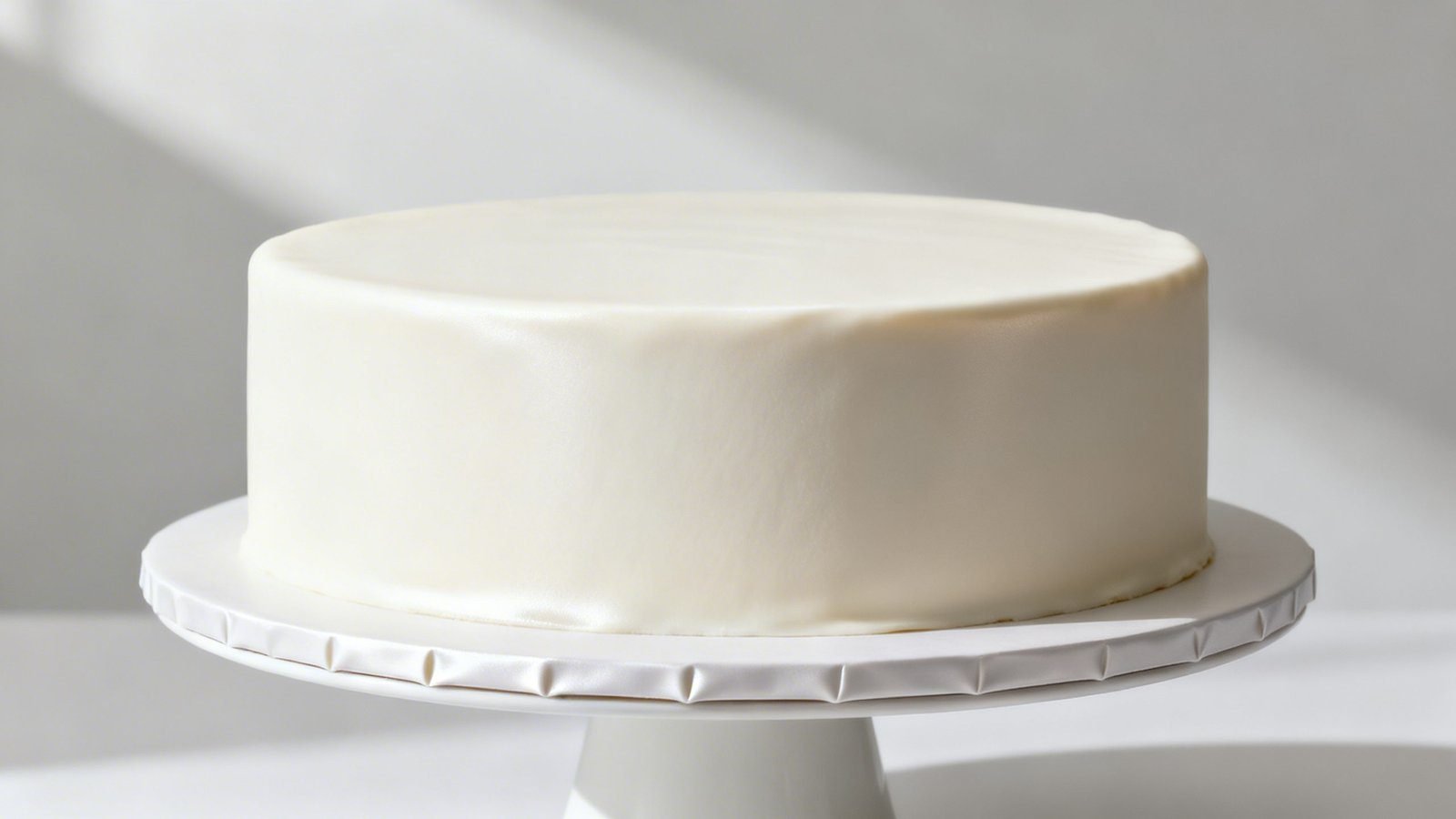
Ready to cover your cakes with a silky-smooth finish? This easy smooth sugar fondant recipe gives you a soft, pliable, totally edible fondant that tastes sweet (not chalky) and rolls like a dream. If store-bought fondant has let you down, this homemade version will change your decorating game.
I’ll walk you through the exact steps, the must-know tips, and the little tricks that keep fondant from tearing, cracking, or sticking. You’ll get a professional-looking finish without fancy equipment. Perfect for birthdays, weddings, cupcakes, and sculpted decorations.
Why This Easy Homemade Fondant Works
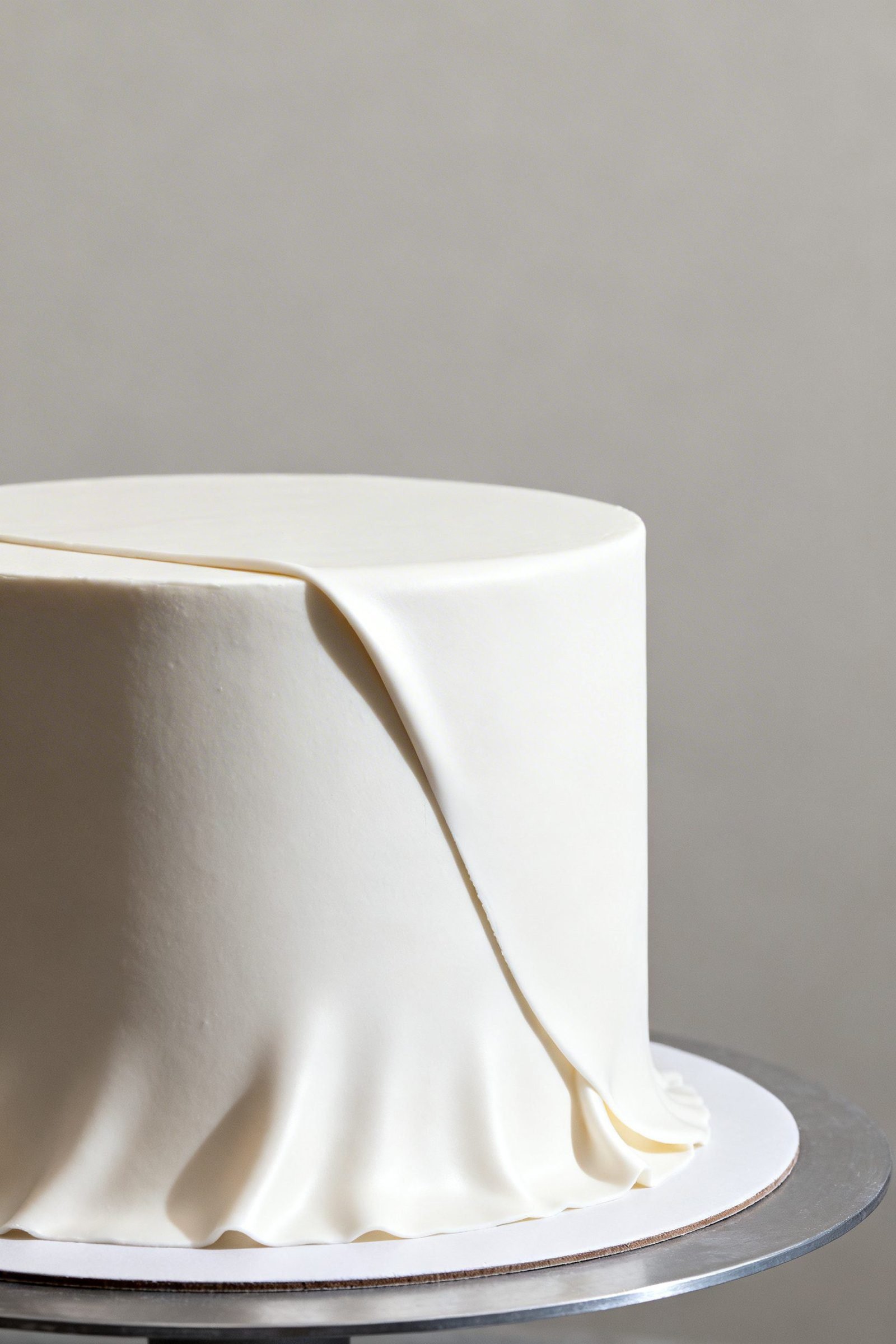
I built this recipe to be reliable for first-timers and consistent for frequent bakers. Here’s why it delivers smooth, satin results:
- Gelatin gives structure so the fondant stretches without tearing and holds clean edges.
- Glycerin locks in softness and keeps the fondant flexible for longer working time.
- Corn syrup adds elasticity so you can drape and smooth without cracks.
- Shortening reduces stickiness and creates that silky, polished finish.
- Powdered sugar builds body while keeping the texture fine and smooth.
The balance of moisture, fat, and sugar makes a dough that rolls thin, covers cakes evenly, and tastes pleasantly sweet. No weird aftertaste, no crumbling edges—just clean, satiny fondant.
Ingredients
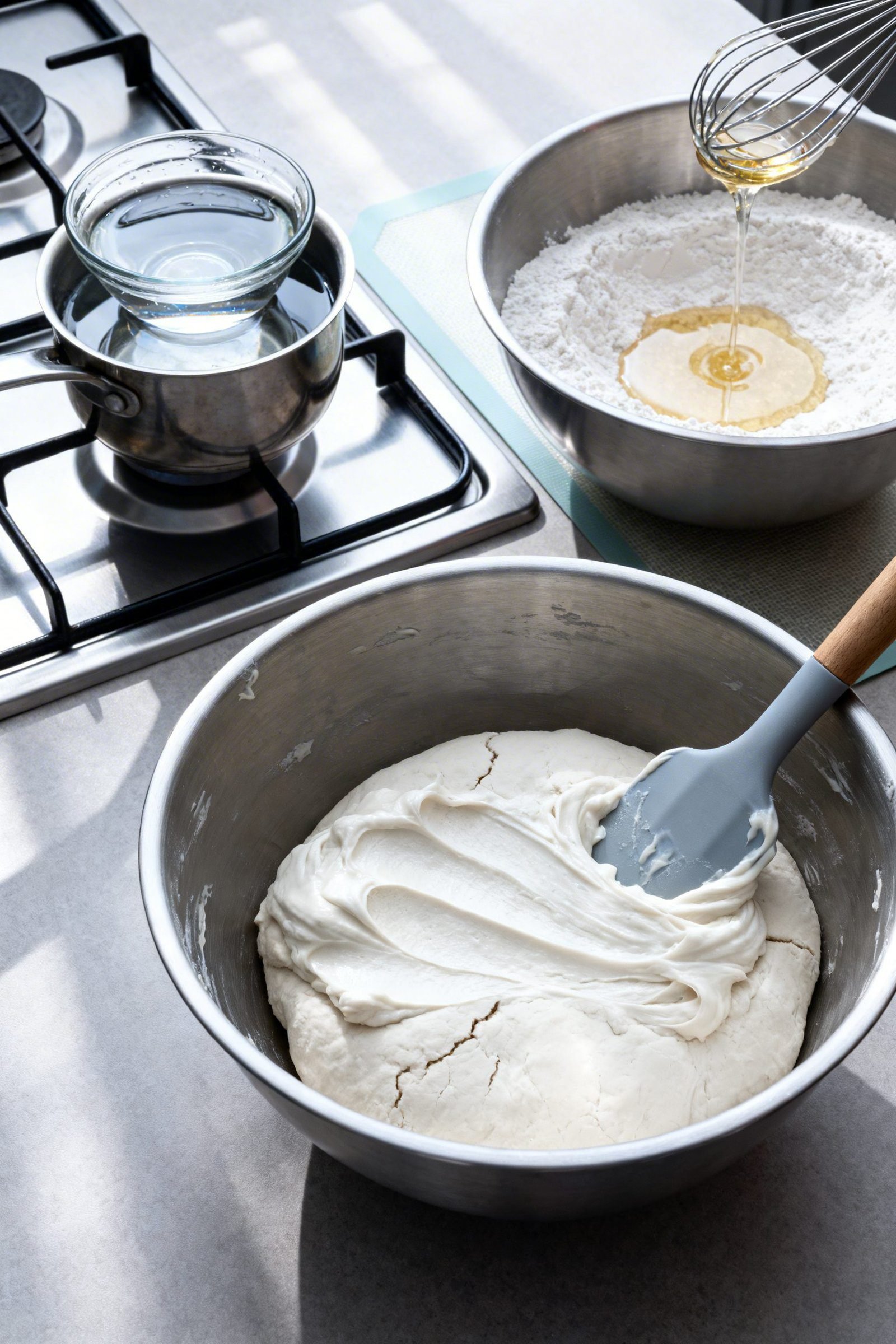
Measure everything before you start—fondant moves fast once you melt the gelatin.
- 1 tablespoon unflavored powdered gelatin
- 1/4 cup cold water (for blooming gelatin)
- 1/2 cup light corn syrup (or liquid glucose)
- 1 tablespoon glycerin (food grade; keeps fondant soft)
- 1 tablespoon vegetable shortening (plus more for kneading)
- 2 teaspoons clear vanilla extract (or almond; use clear to keep color bright)
- 1/8 teaspoon fine salt (balances sweetness)
- 7–8 cups powdered sugar (sifted; start with 7 and add as needed)
- Gel food coloring (optional; stay with gels or pastes, not liquid)
Tools you’ll want:
- Heatproof bowl and small saucepan (or microwave)
- Sturdy spatula or dough hook
- Silicone mat or clean counter
- Plastic wrap and airtight container
- Fondant smoother (nice to have, not required)
How to Make Smooth Edible Cake Fondant
1) Bloom and melt the gelatin
- Sprinkle gelatin over cold water in a heatproof bowl. Let it sit 5 minutes to bloom.
- Gently heat the bowl over a saucepan of simmering water or microwave in 10-second bursts until fully dissolved and clear. Do not boil.
2) Build the liquid base
- Whisk in corn syrup, glycerin, salt, and shortening until the mixture looks glossy and smooth.
- Stir in clear vanilla. If the shortening clings, warm the bowl another 5–10 seconds to melt it completely.
3) Bring it together with sugar
- Add 4 cups sifted powdered sugar to a large bowl. Make a well.
- Pour in the warm liquid base and mix with a spatula until thick and sticky.
- Gradually add 2–3 more cups of powdered sugar until a rough dough forms.
4) Knead to a smooth dough
- Grease your hands and work surface lightly with shortening.
- Turn out the dough and knead 5–8 minutes, adding small dustings of powdered sugar only as needed. Aim for a soft, pliable, slightly warm dough that doesn’t tear when stretched.
- If it feels stiff or cracks, knead in 1–2 teaspoons corn syrup or a dab of shortening. If sticky, knead in 1–2 tablespoons powdered sugar.
5) Rest and color
- Shape into a disk, coat lightly with shortening, and wrap tightly in plastic.
- Let it rest at least 6 hours (or overnight) at room temperature for best rolling texture.
- To color, knead in gel food coloring wearing gloves. Divide into portions for multiple colors.
Rolling and covering tips
- Condition first: Warm the fondant in your hands for 1–2 minutes before rolling.
- Dust wisely: Use a 50/50 mix of cornstarch and powdered sugar to prevent sticking without drying it out.
- Roll to 1/8 inch (3 mm): Thin enough to look elegant, thick enough to avoid tears.
- Chill the cake, not the fondant: A slightly chilled, buttercream-crumb-coated cake supports smooth draping.
- Lift and drape: Roll onto a pin, center over the cake, then smooth from the top down with your hands or a fondant smoother.
- Trim and polish: Trim the base, then buff with your palms for a satin finish.
How to Store Homemade Fondant
- Short-term: Wrap tightly in plastic, then seal in an airtight bag or container. Keep at cool room temperature up to 2 weeks.
- Longer storage: Refrigerate up to 1 month. Double-wrap to prevent moisture absorption. Bring to room temperature before using, then knead with a dab of shortening.
- Freezing: You can freeze up to 3 months if wrapped very well. Thaw in the fridge overnight, then bring to room temperature before kneading.
- Colored fondant: Store colors separately and label. Dark colors can bleed if packed with lighter shades.
Why You’ll Love Making This Fondant
- Better taste: Mild vanilla sweetness with no chemical aftertaste.
- Silky texture: Rolls thin and smooths without elephant skin.
- Budget-friendly: Costs less than store-bought and makes a generous batch.
- Customizable: Easy to color, flavor, or firm up for figurines.
- Beginner-proof: Clear ratios and predictable results.
What to Avoid When Working with Fondant
- Don’t add too much sugar: Overloading dries the fondant and causes cracking.
- Don’t skip the rest: Resting relaxes the gluten-like structure for smooth rolling.
- Don’t use liquid food color: It throws off the moisture balance. Use gel or paste.
- Don’t roll on a wet surface: Moisture makes fondant sticky and streaky.
- Don’t cover a wet cake: Condensation creates bubbles and melting spots. Lightly chilled and set buttercream works best.
- Don’t overheat the gelatin mixture: Boiling weakens the set and turns the fondant rubbery.
Fun Variations to Try
- Chocolate fondant: Replace 1/2 cup powdered sugar with 1/2 cup unsweetened cocoa powder. Add 1/2 teaspoon espresso powder for depth.
- Lemon-vanilla fondant: Add 1 teaspoon lemon extract plus zest from 1/2 lemon (very fine). Keep vanilla clear.
- Almond fondant: Swap half the vanilla for almond extract. Perfect with cherry or raspberry cakes.
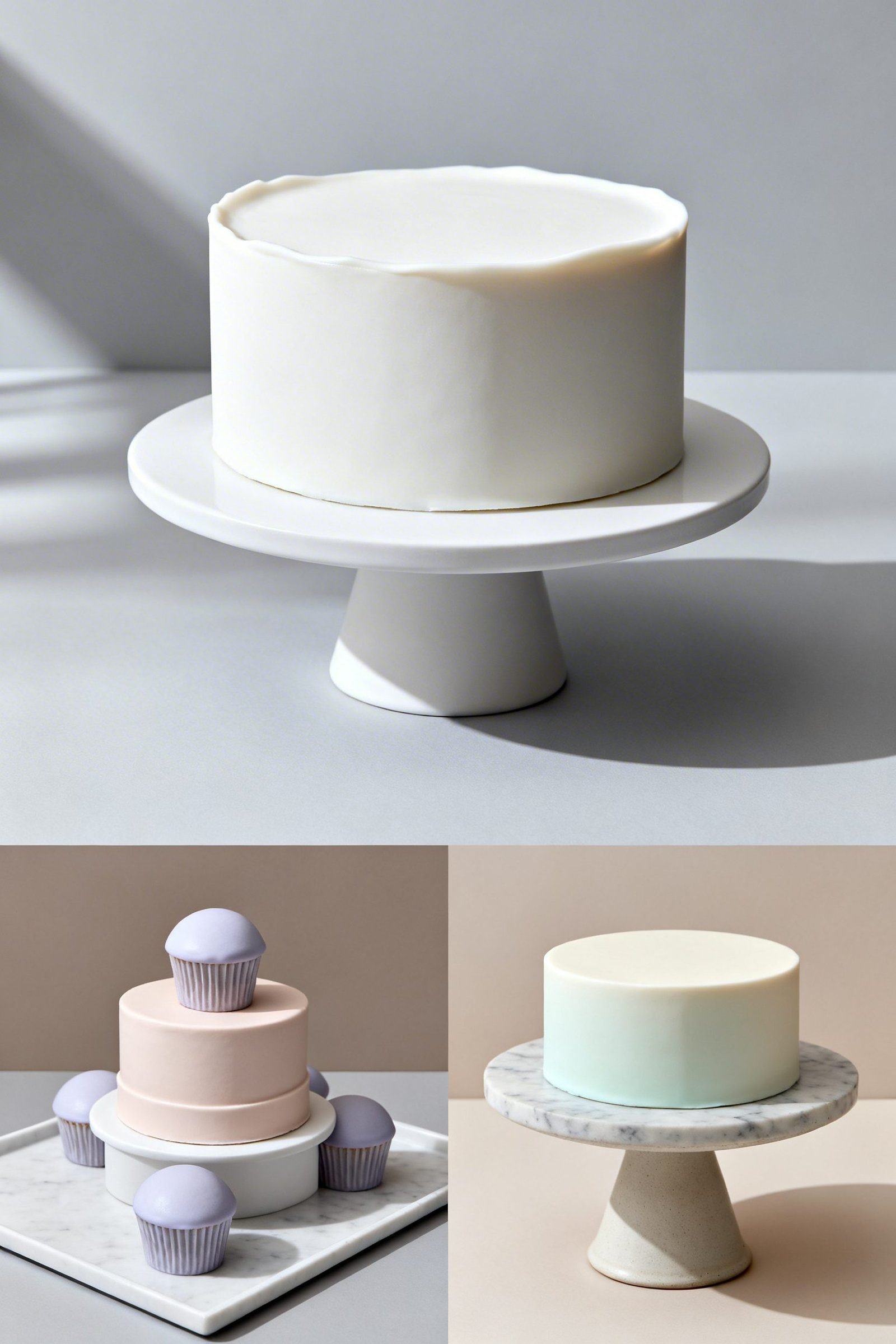
- Marble effect: Partially mix two colors and roll lightly for natural swirls.
- Modeling fondant (for figures): Knead in 1–2 teaspoons tylose powder per pound to firm it up and speed drying.
- Pearl sheen: Dust the finished cake with edible luster dust mixed with a few drops of clear alcohol.
FAQ
Can I make this without glycerin?
Yes, but the fondant will set firmer and dry faster. Add a touch more corn syrup and knead in extra shortening to keep it workable.
Why does my fondant crack when I drape it?
It likely needs moisture or warmth. Knead in a pea-size amount of shortening, warm it in your hands, and roll slightly thicker.
How do I prevent air bubbles?
Pierce tiny bubbles with a clean pin at a shallow angle, then smooth with your finger or a fondant smoother.
Is this fondant gluten-free?
Yes, as written. Always check labels for cross-contamination if you need strict gluten-free handling.
Can I use honey instead of corn syrup?
Honey changes flavor and softens the fondant. If you try it, use a light, mild honey and expect a stickier dough. Liquid glucose makes the best swap.
How much fondant do I need to cover a cake?
- 6-inch round (4 inches tall): About 18–20 oz
- 8-inch round (4 inches tall): About 28–32 oz
- 10-inch round (4 inches tall): About 40–44 oz
Conclusion
This smooth sugar fondant gives you a reliable, tasty, and elegant finish every time. You’ll mix, knead, rest, and roll with confidence—and your cakes will look like they came from a boutique bakery. Keep a batch wrapped on hand, customize the color and flavor, and enjoy the pure satisfaction of a flawless, fondant-covered cake.
Smooth Sugar Fondant
A soft, pliable homemade fondant that rolls smoothly, tastes sweet, and gives a satin finish for cakes and decorations.
Ingredients
- 1 tablespoon unflavored powdered gelatin
- ¼ cup cold water (for blooming gelatin)
- ½ cup light corn syrup (or liquid glucose)
- 1 tablespoon glycerin (food grade)
- 1 tablespoon vegetable shortening (plus more for kneading)
- 2 teaspoons clear vanilla extract (or almond; use clear to keep color bright)
- ⅛ teaspoon fine salt
- 7–8 cups powdered sugar (sifted; start with 7 and add as needed)
- Gel food coloring (optional)
Instructions
- Sprinkle gelatin over the cold water in a heatproof bowl and let bloom for 5 minutes.
- Gently heat over a saucepan of simmering water or microwave in 10-second bursts until the gelatin is fully dissolved and clear; do not boil.
- Whisk in corn syrup, glycerin, salt, and shortening until glossy and smooth.
- Stir in clear vanilla; if shortening clings, warm 5–10 seconds to melt completely.
- Add 4 cups sifted powdered sugar to a large bowl and make a well.
- Pour in the warm liquid base and mix until thick and sticky.
- Gradually add 2–3 more cups powdered sugar until a rough dough forms.
- Lightly grease hands and work surface with shortening, turn out the dough, and knead 5–8 minutes, adding small dustings of powdered sugar only as needed, until soft, pliable, and non-tearing.
- If stiff or cracking, knead in 1–2 teaspoons corn syrup or a dab of shortening; if sticky, knead in 1–2 tablespoons powdered sugar.
- Shape into a disk, lightly coat with shortening, wrap tightly in plastic, and rest at room temperature at least 6 hours or overnight.
- To color, knead in gel food coloring with gloves; divide as needed for multiple colors.
- Before rolling, warm fondant in hands 1–2 minutes; dust surface with a 50/50 mix of cornstarch and powdered sugar and roll to about ⅛ inch (3 mm) for covering cakes.